


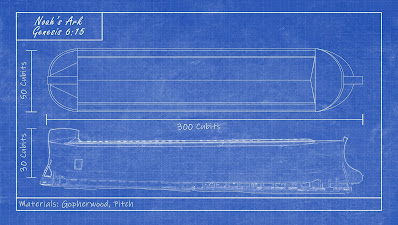

The Noahic Deluge as Astronomical Allegory
The story of Noah’s Ark, as presented in the Book of Genesis, is a well-known narrative that has been traditionally interpreted as a literal historical event. However, when examined through the lens of Egyptian mythology and stellar symbolism, as elucidated by Gerald Massey and other scholars, this narrative reveals itself to be an astronomical allegory rooted in ancient Egyptian eschatology and cosmology. The correspondence between the Noahic deluge and the Egyptian mythological framework is evident in various aspects of the narrative, from the typology of the flood to the symbolism of the ark and the animals.
The Typology of the Flood
The deluge narrative in Genesis is not an isolated phenomenon but is part of a broader mythological tradition that can be traced back to ancient Egypt. The Egyptian origin of this symbol can be demonstrated by comparing the Noahic deluge with the myth of Osiris, who, like Noah, is associated with the flood and the renewal of life. In the Egyptian tradition, Osiris is the god of the underworld and the cycle of death and rebirth, symbolized by the annual flooding of the Nile. This typology appears in the Ritual as the ‘Afflicted One’ who is for three days and three nights in the lowermost depths at the time of the winter solstice, a clear parallel to the Noahic deluge (Source: AncientEgyptVol1).
The prayer of Jonah in the belly of the fish, as quoted in the Book of the Beginnings, further illustrates this connection. Jonah’s descent into the depths and subsequent resurrection mirror the eschatological journey of the Afflicted One, who represents the sun’s passage through the underworld during the winter solstice. This typology is not unique to the Hebrew tradition but is a common motif in Egyptian mythology, where the sun god Ra travels through the underworld each night, only to be reborn at dawn (Source: book-of-the-beginnings-1).
The Symbolism of the Ark
The ark itself is a symbol that can be traced back to ancient Egyptian iconography. The ark is often depicted as a zoomorphic representation of the celestial boat that carries the sun god Ra through the underworld. This symbolism is evident in the Egyptian Book of the Dead, where the bark of the sun is shown as a vessel that navigates the waters of chaos. The dimensions of the ark, as specified in Genesis, correspond to the measurements of the Egyptian sacred cubit, which was used in the construction of temples and other sacred structures (Source: AncientEgyptVol2).
The materials used in the construction of the ark, such as gopher wood, can also be linked to Egyptian symbolism. Gopher wood is often associated with the acacia tree, which was sacred to the Egyptians and symbolized the tree of life. The acacia tree was believed to have grown from the body of Osiris, further reinforcing the connection between the Noahic deluge and the Egyptian myth of Osiris (Source: TheNaturalGenesisVol.I).
The Animals and the Rainbow
The gathering of the animals on the ark is another aspect of the narrative that can be traced back to Egyptian mythology. The animals represent the zodiacal signs that accompany the sun god Ra on his journey through the underworld. The rainbow, as a sign of the covenant between God and Noah, is a symbol that can be linked to the Egyptian goddess Hathor, who was often depicted with a rainbow on her head. The rainbow symbolized the union of the heavens and the earth, a theme that is central to Egyptian cosmology (Source: AncientEgyptVol2).
Comparative Mythology
The Noahic deluge narrative is not an isolated phenomenon but is part of a broader mythological tradition that can be found in various cultures. The story of Deucalion and Pyrrha in Greek mythology, for example, is a clear parallel to the Noahic deluge. Deucalion, like Noah, is a righteous man who is chosen by the gods to survive a great flood. The flood is sent as a punishment for the wickedness of mankind, a theme that is central to the Noahic deluge narrative. The similarities between these narratives suggest a common origin, which can be traced back to ancient Egypt (Source: Schwaller-Symbolist-Egypt).
The Babylonian epic of Gilgamesh also contains a deluge narrative that is strikingly similar to the Noahic deluge. In the epic, the god Ea warns Utnapishtim of the impending flood and instructs him to build a boat to survive the catastrophe. The similarities between the Noahic deluge and the Gilgamesh flood narrative suggest a common origin, which can be traced back to ancient Egypt. The Babylonian tradition, like the Hebrew tradition, is a later adaptation of the Egyptian mythological framework (Source: TheNaturalGenesisVol.2).
Conclusion
The Noahic deluge narrative, when examined through the lens of Egyptian mythology and stellar symbolism, reveals itself to be an astronomical allegory rooted in ancient Egyptian eschatology and cosmology. The correspondence between the Noahic deluge and the Egyptian mythological framework is evident in various aspects of the narrative, from the typology of the flood to the symbolism of the ark and the animals. The Noahic deluge is not an isolated phenomenon but is part of a broader mythological tradition that can be traced back to ancient Egypt and is reflected in various cultures, including Greek and Babylonian mythology. This typological analysis demonstrates the profound influence of Egyptian mythology on the religious and cultural traditions of the ancient world.
Sources: AncientEgyptVol1, book-of-the-beginnings-1, AncientEgyptVol2, Schwaller-Symbolist-Egypt, TheNaturalGenesisVol.2
MythWisdom Blog Post
📚 Recommended Resources


As an Amazon Associate, we earn from qualifying purchases.
@media (max-width: 768px) {
.tbe-affiliate-section {
padding: 25px 15px !important;
}
.tbe-affiliate-section > div:nth-child(2) {
grid-template-columns: 1fr !important;
gap: 20px !important;
}
.tbe-product-card {
width: 100% !important;
}
}



Leave a Reply