



Introduction
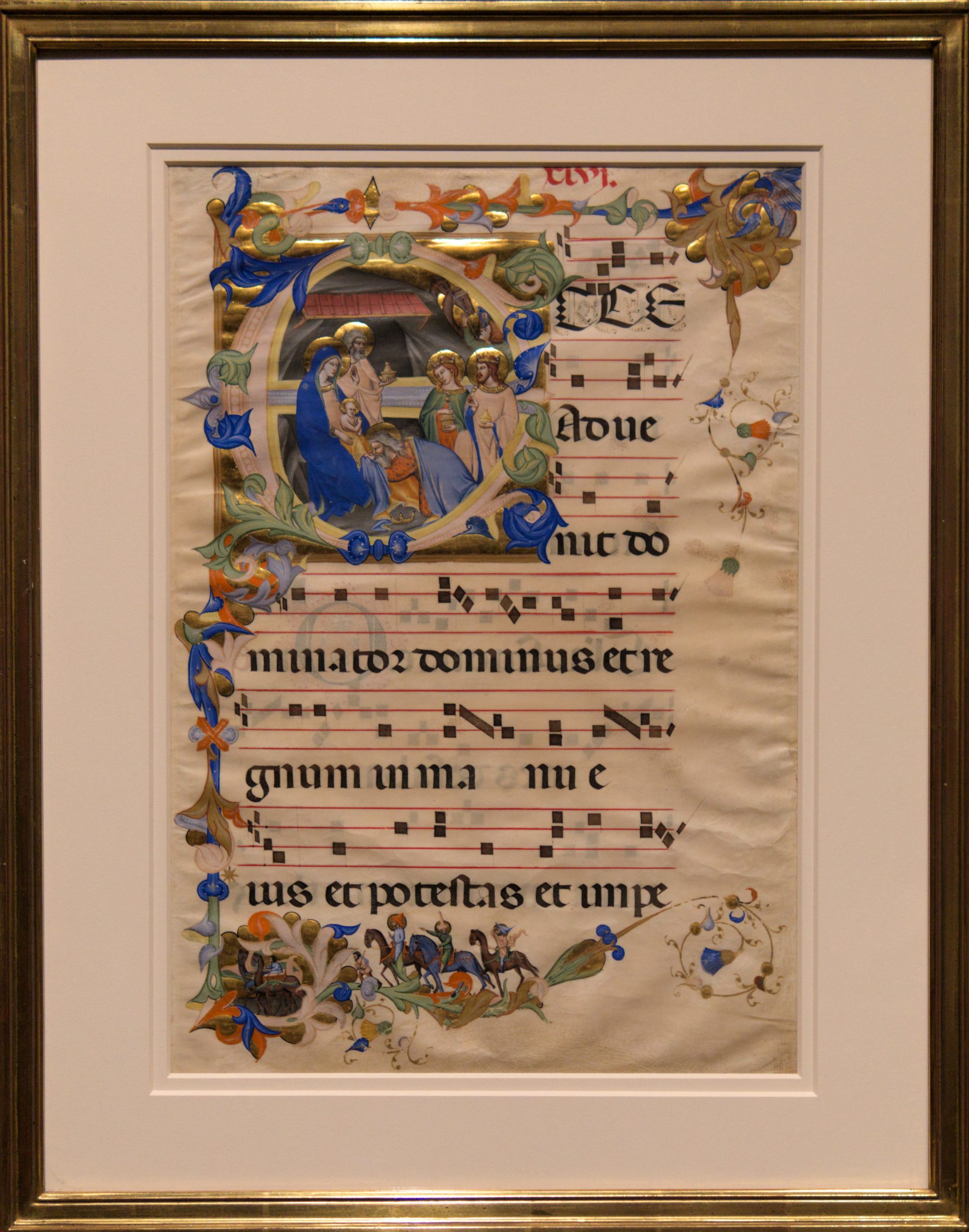
The depiction of the Adoration of the Magi, as illustrated by Silvestro dei Gherarducci, offers a rich tapestry for symbolic interpretation that aligns with the Egyptian origins of Christian iconography. The conventional theological interpretation of the Epiphany as a historical event is challenged by the Egyptian typological framework, which reveals the astronomical and eschatological significance of the scene.
The Symbolism of the Magi
The three Magi, often depicted as representatives of different ages, can be traced back to the Egyptian triad of deities associated with the stars and celestial phenomena. The Magi’s journey to adore the infant Christ parallels the ancient Egyptian concept of the soul’s journey through the celestial realms, as described in the Book of the Dead. The Magi’s gifts of gold, frankincense, and myrrh correspond to the offerings made to the gods in Egyptian rituals, symbolizing the divine nature of the child.
The Cave and the Star
The cave in which the Holy Family is depicted is a symbol of the womb of the goddess Nut, the sky goddess in Egyptian mythology. The star that guides the Magi is a direct reference to the star Sirius, which was closely associated with the goddess Isis and the annual flooding of the Nile. The star’s appearance marked the beginning of the new year and the renewal of life, a concept that is echoed in the Christian celebration of the Epiphany as a time of revelation and renewal.
The Journey of the Magi
The journey of the Magi, as depicted in the margins of the manuscript, can be interpreted as a symbolic representation of the soul’s journey through the underworld. The camels and servants accompanying the Magi represent the various aspects of the soul that must be purified and integrated before the soul can ascend to the celestial realms. The chest containing the treasures of the Magi symbolizes the hidden knowledge that must be revealed and shared with the world.
The Egyptian Origins of the Epiphany
The Epiphany, as a celebration of the revelation of the divine, has its roots in the ancient Egyptian festival of the Opet, which commemorated the journey of the god Amun from Karnak to Luxor. The Opet festival was a time of renewal and rebirth, during which the god’s presence was believed to be manifest in the world. The Christian celebration of the Epiphany can be seen as a continuation of this ancient tradition, with the infant Christ taking the place of the god Amun as the embodiment of divine revelation.
Conclusion
The Adoration of the Magi, as depicted by Silvestro dei Gherarducci, is a rich tapestry of symbolic imagery that can be traced back to the ancient Egyptian origins of Christian iconography. The Magi’s journey, the cave, and the star all have their roots in the Egyptian myths and rituals that were later incorporated into the Christian tradition. By understanding the Egyptian origins of these symbols, we can gain a deeper appreciation of the universal themes of revelation, renewal, and the journey of the soul that are embodied in the celebration of the Epiphany.
Sources
(Source: AncientEgyptVol1)
(Source: AncientEgyptVol2)
MythWisdom Blog Post
📚 Recommended Resources

![A Book of the Beginnings [TWO VOLUMES BOUND INTO ONE] Hardcover – April 22, 2024 by Gerald Massey (Author)](https://m.media-amazon.com/images/I/71PhLPTPX6L._SL1360_.jpg)
As an Amazon Associate, we earn from qualifying purchases.



Leave a Reply