


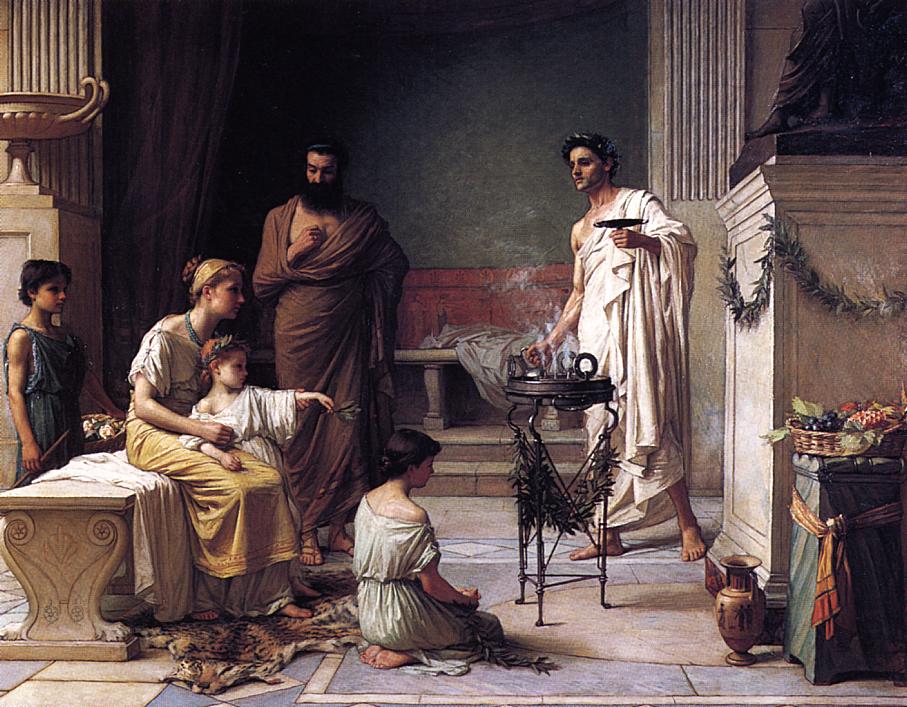

The Serpent-Staff Typology and Its Egyptian Antecedents
The figure of Aesculapius, the Greek god of healing, presents a striking example of the Egyptian origins of classical mythology. The serpent-staff symbolism associated with Aesculapius is not an innovation of the Greeks but a direct inheritance from the Egyptian typology of the uraeus, the rearing cobra that symbolized divine sovereignty and protective power. The uraeus, as depicted on the crowns of Egyptian deities and pharaohs, represents the celestial serpent that encircles the pole and the celestial equator, a concept deeply embedded in the Egyptian cosmological system. This typology appears in the Ritual as the serpent that guards the entrance to the underworld and aids in the resurrection of the deceased, a clear precursor to the role of Aesculapius as a healer and guide to the afterlife. (Source: AncientEgyptVol1)
The Zoomorphic Representation of Healing Deities
The zoomorphic representation of Aesculapius as a serpent-entwined staff is a direct reflection of the Egyptian deity Nehebkau, the ‘Lord of the Two Serpents,’ who was associated with healing and the protection of the pharaoh’s ka. Nehebkau’s symbolism is intimately connected to the dual nature of the serpent, representing both destruction and regeneration, a theme that is echoed in the Greek mythos of Aesculapius. The correspondence between Nehebkau and Aesculapius is evident in their shared role as intermediaries between the divine and mortal realms, facilitating the process of healing and resurrection. This typology is further elaborated in the Pyramid Texts, where the serpent is invoked as a protector and healer of the deceased king. (Source: AncientEgyptVol2)
The Astronomical Foundations of Healing Mythology
The healing attributes of Aesculapius are not merely symbolic but are rooted in the astronomical observations of the Egyptians. The serpent’s shedding of its skin was seen as a metaphor for rebirth and renewal, a process governed by the celestial cycles of the stars and planets. The serpent-staff of Aesculapius can be traced to the Egyptian concept of the ‘Pillar of the Sky,’ a celestial axis around which the heavens revolved. This pillar was often depicted as a serpent or a staff, symbolizing the axis mundi that connected the earthly and heavenly realms. The Greeks inherited this symbolism and adapted it to their own mythological framework, but the underlying astronomical principles remained intact. (Source: Schwaller-Symbolist-Egypt)
The Eschatological Dimensions of Healing
The role of Aesculapius as a healer extends beyond the physical to the eschatological, reflecting the Egyptian belief in the resurrection of the soul. The serpent-staff symbolism is deeply intertwined with the concept of the ‘Tree of Life,’ a celestial tree that spans the heavens and provides the means for eternal life. This typology is evident in the Egyptian Book of the Dead, where the serpent is depicted as a guardian of the Tree of Life, ensuring the resurrection of the deceased. The Greeks adopted this eschatological framework and applied it to their own healing deities, but the core principles remain rooted in the Egyptian cosmological system. (Source: TheNaturalGenesisVol.2)
Comparative Analysis: Aesculapius and the Egyptian Healing Deities
The comparative analysis of Aesculapius and the Egyptian healing deities reveals a clear lineage of symbolic and mythological inheritance. The serpent-staff symbolism, the zoomorphic representation of healing deities, and the astronomical foundations of healing mythology all point to the Egyptian origins of the Greek healing tradition. The Greeks adapted and transformed these elements to fit their own cultural and religious contexts, but the underlying principles remain deeply rooted in the Egyptian cosmological system. This analysis highlights the importance of tracing the symbolic and mythological elements of classical mythology to their Egyptian antecedents, providing a deeper understanding of the interconnectedness of ancient religious traditions. (Source: black_athena_afroasiatic_roots_of_classical_civili-_-_pg_1-129)
Conclusion
The figure of Aesculapius, with its serpent-staff symbolism and healing mythology, is a testament to the enduring influence of Egyptian cosmological and symbolic traditions on classical mythology. By tracing the typological and astronomical foundations of Aesculapius to their Egyptian origins, we gain a deeper appreciation of the interconnectedness of ancient religious traditions and the universal principles that underlie them. This analysis not only enriches our understanding of Greek mythology but also sheds light on the broader cultural and historical context in which these traditions evolved. (Source: book-of-the-beginnings-1)
Sources
AncientEgyptVol1
AncientEgyptVol2
Schwaller-Symbolist-Egypt
TheNaturalGenesisVol.2
black_athena_afroasiatic_roots_of_classical_civili-_-_pg_1-129
book-of-the-beginnings-1
MythWisdom Blog Post
📚 Recommended Resources


As an Amazon Associate, we earn from qualifying purchases.
@media (max-width: 768px) {
.tbe-affiliate-section {
padding: 25px 15px !important;
}
.tbe-affiliate-section > div:nth-child(2) {
grid-template-columns: 1fr !important;
gap: 20px !important;
}
.tbe-product-card {
width: 100% !important;
}
}



Leave a Reply