



In the scholarly pursuit of understanding the origins and deeper meanings of wisdom literature, the Book of Proverbs presents a rich tapestry of symbolic language that, when examined through the lens of Egyptian mythology and cosmology, reveals profound connections to ancient wisdom traditions. The apparent simplicity of Proverbs, often dismissed as mere moralistic sayings, belies a complex system of typological symbolism rooted in the astronomical and eschatological beliefs of ancient Egypt.
The Duality of Wisdom in Proverbs and Its Egyptian Parallels
The juxtaposition of seemingly contradictory proverbs, such as those found in Proverbs 26:4–5, reflects a sophisticated understanding of the dual nature of wisdom. This duality is not a product of later theological development but finds its roots in the Egyptian concept of Ma’at, the principle of balance and harmony that governed the cosmos. As Gerald Massey elucidates in Ancient Egypt: The Light of the World, the Egyptians understood that wisdom was not a static entity but a dynamic force that required constant negotiation between opposing principles. The proverbs, therefore, are not simplistic moral injunctions but rather typological expressions of this cosmic balance.
The Egyptian origin of this typology can be demonstrated by examining the Ritual as it pertains to the judgment of the dead. In the Hall of Ma’at, the heart of the deceased was weighed against the feather of truth, symbolizing the constant struggle between wisdom and folly. This ritualistic duality is mirrored in the proverbs, where the wise must discern the appropriate response to folly, much like the deceased must navigate the complexities of the afterlife. The correspondence between the Egyptian source and the proverbial wisdom is evident in the emphasis on the need for discernment and the recognition that wisdom is not a one-size-fits-all solution but a nuanced understanding of cosmic principles.
The Cosmic Significance of Proverbial Wisdom
The Book of Proverbs, when read through an Egyptian lens, reveals a deeper cosmological significance. The proverbs are not merely moral teachings but are imbued with astronomical symbolism that connects them to the cycles of the heavens. As R.A. Schwaller de Lubicz notes in The Symbolist Key to Egypt, the ancient Egyptians saw the cosmos as a living book of sacred knowledge, where the alignment of the stars and the movements of the celestial bodies were reflections of divine wisdom. The proverbs, therefore, can be seen as a form of stellar mythology, encoding the wisdom of the stars in a language accessible to the common people.
For instance, the proverb in Proverbs 15:23, which speaks of the joy of having an answer in its time, can be interpreted as a reference to the cyclical nature of the cosmos. The right word spoken at the right time is akin to the alignment of the stars, which must occur at the precise moment to bring about harmony. This typology appears in the Ritual as the alignment of the soul with the stars, ensuring its safe passage through the afterlife. The zoomorphic representation of the soul as a bird, often depicted with outstretched wings, signifies the soul’s journey through the heavens, guided by the wisdom of the stars.
The Egyptian Roots of Proverbial Wisdom
The wisdom literature of Proverbs finds its roots in the Egyptian tradition of wisdom texts, such as the Instructions of Ptahhotep and the Wisdom of Amenemope. These texts, like Proverbs, contain a collection of sayings that offer guidance on moral and ethical behavior. The Egyptian origin of this wisdom literature can be traced back to the Old Kingdom, where the concept of wisdom was closely tied to the divine order of Ma’at. The proverbs, therefore, are not a product of later theological development but are a continuation of this ancient tradition.
The Egyptian origin of the proverbial wisdom is further evidenced by the use of symbolic language that is characteristic of Egyptian religious texts. For example, the proverb in Proverbs 14:12, which speaks of the way that seems right but leads to death, can be interpreted as a reference to the Egyptian concept of the false path. In the Book of the Dead, the soul must navigate a series of false paths to reach the true path that leads to eternal life. The proverb, therefore, is a typological expression of this cosmic journey, encoding the wisdom of the ancient Egyptians in a language that resonates with the modern reader.
The Symbolic Language of Proverbs
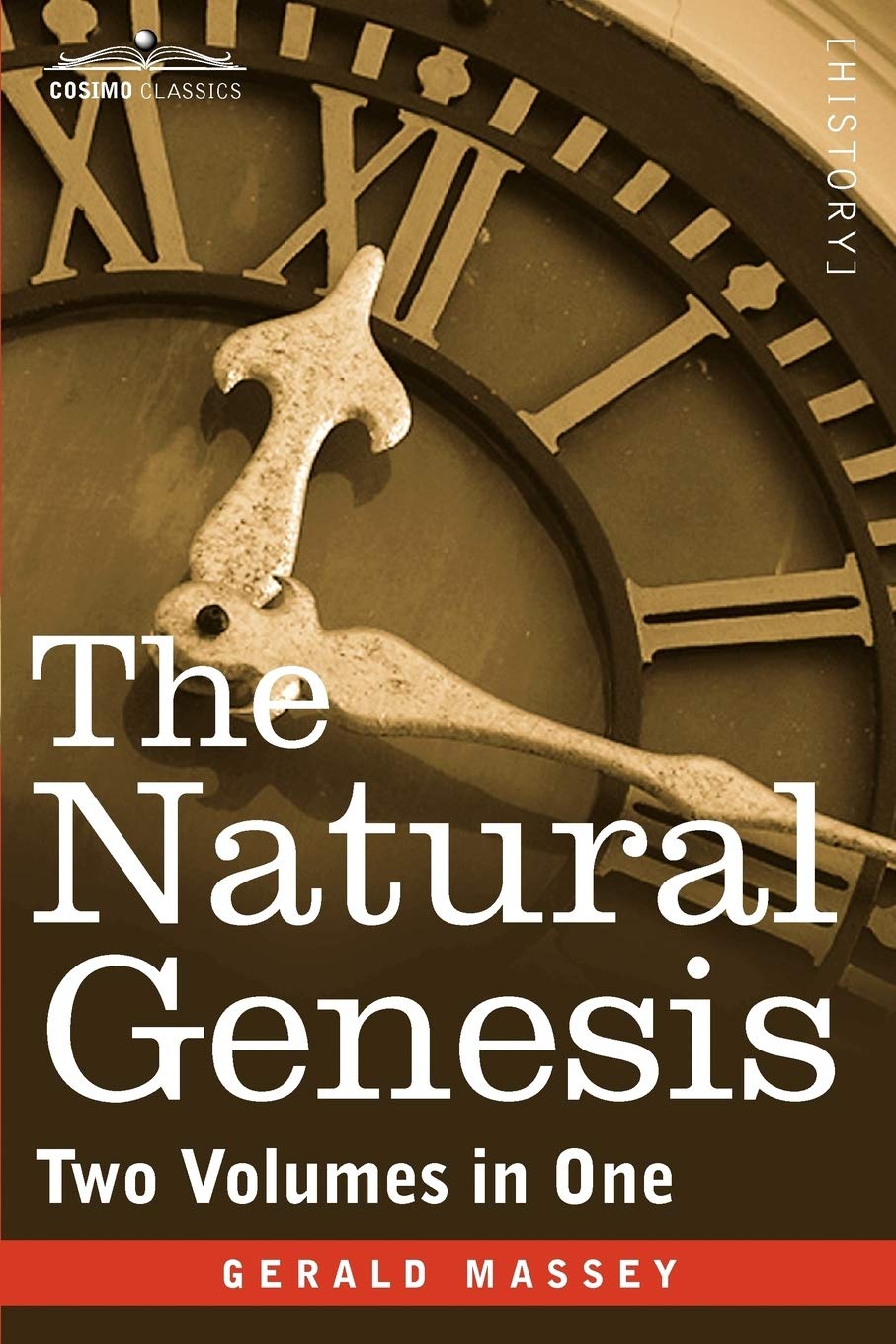
The symbolic language of Proverbs is a testament to the enduring influence of Egyptian wisdom traditions. The proverbs are not merely moral teachings but are imbued with a rich symbolism that connects them to the deeper truths of the cosmos. As Gerald Massey notes in The Natural Genesis, the ancient Egyptians used a complex system of symbolism to encode their wisdom, a system that was later adopted and adapted by other cultures. The proverbs, therefore, are a product of this symbolic tradition, encoding the wisdom of the ancient Egyptians in a language that is both accessible and profound.
The symbolic language of Proverbs is further evidenced by the use of typological expressions that are characteristic of Egyptian religious texts. For example, the proverb in Proverbs 20:10, which speaks of the condemnation of dishonest scales, can be interpreted as a reference to the Egyptian concept of balance. In the Ritual, the heart of the deceased is weighed against the feather of truth, symbolizing the constant struggle between wisdom and folly. The proverb, therefore, is a typological expression of this cosmic balance, encoding the wisdom of the ancient Egyptians in a language that resonates with the modern reader.
Conclusion
The Book of Proverbs, when read through the lens of Egyptian mythology and cosmology, reveals a profound connection to the ancient wisdom traditions of Egypt. The proverbs are not merely moral teachings but are imbued with a rich symbolism that connects them to the deeper truths of the cosmos. As Gerald Massey and R.A. Schwaller de Lubicz have shown, the ancient Egyptians used a complex system of symbolism to encode their wisdom, a system that was later adopted and adapted by other cultures. The proverbs, therefore, are a product of this symbolic tradition, encoding the wisdom of the ancient Egyptians in a language that is both accessible and profound.
The recognition of the Egyptian roots of Proverbs sheds new light on the nature of wisdom literature and its enduring relevance. The proverbs are not a product of later theological development but are a continuation of an ancient tradition that seeks to encode the wisdom of the cosmos in a language that is both accessible and profound. As such, they offer a timeless guide to navigating the complexities of life, grounded in the ancient wisdom of Egypt.
Sources:
- Ancient Egypt: The Light of the World (Source: AncientEgyptVol1, AncientEgyptVol2)
- The Symbolist Key to Egypt (Source: Schwaller-Symbolist-Egypt)
- The Natural Genesis (Source: TheNaturalGenesisVol.2, TheNaturalGenesisVol.I)
MythWisdom Blog Post
📚 Recommended Resources
As an Amazon Associate, we earn from qualifying purchases.
@media (max-width: 768px) {
.tbe-affiliate-section {
padding: 25px 15px !important;
}
.tbe-affiliate-section > div:nth-child(2) {
grid-template-columns: 1fr !important;
gap: 20px !important;
}
.tbe-product-card {
width: 100% !important;
}
}



Leave a Reply