


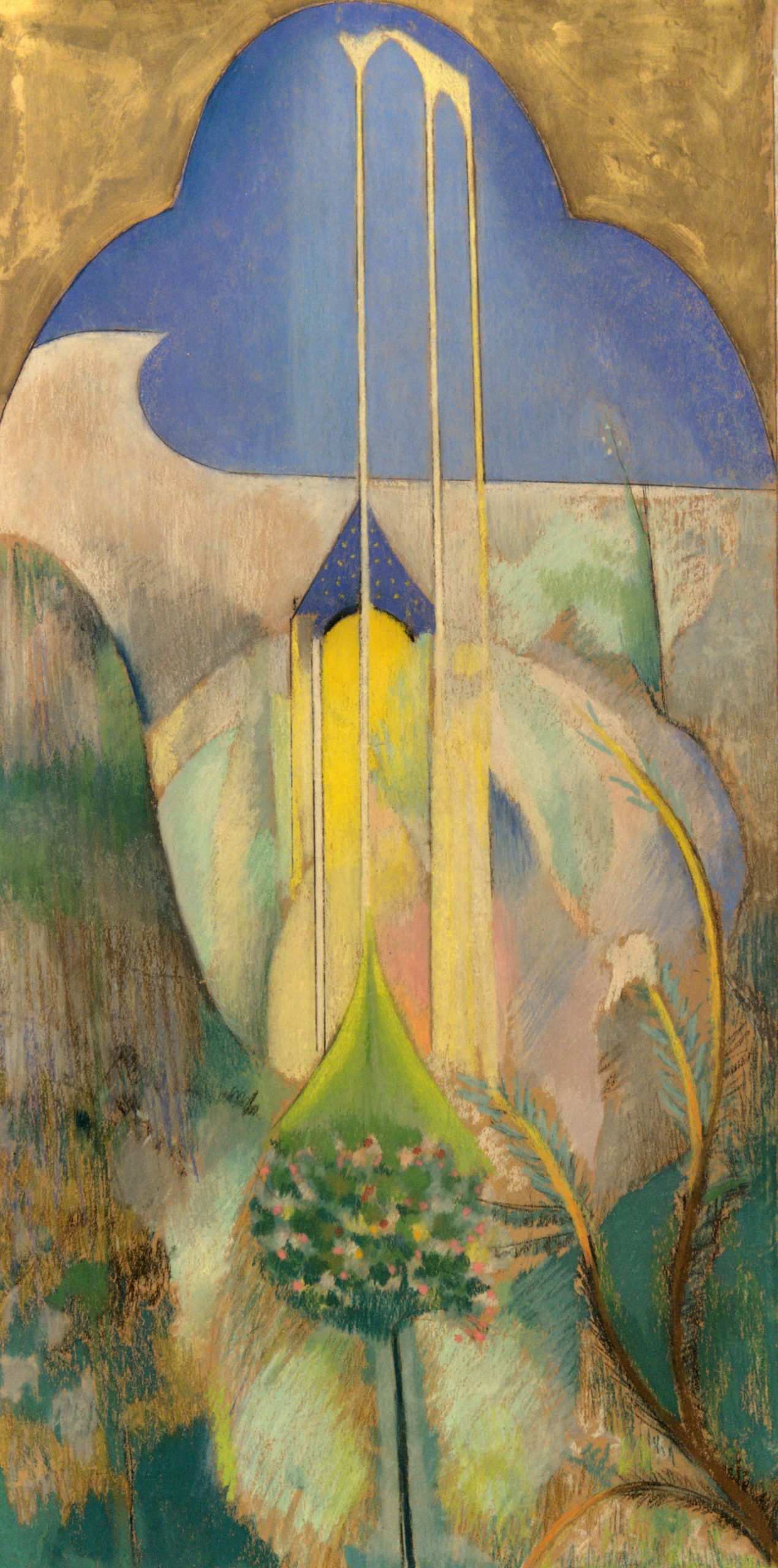

The Divine Child and the Cosmic Womb
The excerpt from George MacDonald’s dramatic poem ‘Within and Without’ presents a rich tapestry of theological and mythological imagery that, when subjected to the lens of Egyptian typology, reveals profound connections to the astronomical and eschatological frameworks of ancient Egypt. The poem’s central theme of the divine child and the permeation of the divine in the material world finds striking parallels in the Egyptian mythos, particularly in the symbolism of the divine child Horus and the cosmic womb of Nut.
Agreements with the Egyptian Framework
The poem’s depiction of the divine child as a bringer of godlike childhood to the aged earth aligns with the Egyptian conception of Horus as the divine child who restores and renews the world. In the Egyptian mythos, Horus is the son of Isis and Osiris, born to avenge his father’s death and restore the divine order. This typology is evident in the Ritual as well as in the Pyramid Texts, where Horus is depicted as the one who ‘cometh forth upon the horizon’ (Source: Ancient Egypt Vol. 2). The poem’s emphasis on the divine child as a real man to half-unreal men also resonates with the Egyptian concept of the pharaoh as the living Horus, a divine king who embodies the divine in the material world.
The poem’s description of the divine permeating all being and the earth being no more a banishment from heaven finds echoes in the Egyptian concept of the unification of the divine and the material. In the Egyptian eschatology, the divine is not separate from the material world but is immanent within it. This is exemplified in the concept of the ‘ba,’ the divine aspect of the individual that permeates the material world. The poem’s lines ‘And my poor life is terribly sublime. Where’er I look, I am alone in God’ reflect this immanence, aligning with the Egyptian belief that the divine is present in all aspects of existence (Source: The Natural Genesis Vol. 1).
Disagreements and Corrections
The poem’s conventional theological interpretation of the divine child as a historical figure who ‘came in poverty, and low’ diverges from the Egyptian typological framework. In the Egyptian mythos, the divine child is not a historical figure but a symbolic representation of the solar cycle, the daily rebirth of the sun god Ra. The ‘poverty’ and ‘lowliness’ of the divine child are symbolic of the sun’s descent into the underworld, a necessary phase of the solar cycle that precedes the rebirth at dawn. This astronomical symbolism is evident in the Book of the Dead, where the sun god is depicted as a child in the morning, a mature god at noon, and an aged god in the evening (Source: Ancient Egypt Vol. 1).
The poem’s depiction of the divine child as a guide who leads the seeker to the heart of God also requires correction from an Egyptian typological perspective. In the Egyptian mythos, the divine child is not a guide but a symbol of the seeker’s own divine potential. The journey to the divine is not led by an external guide but is an internal process of self-realization. This is exemplified in the concept of the ‘soul’s journey’ in the Book of the Dead, where the individual must navigate the underworld and overcome various challenges to achieve union with the divine (Source: The Natural Genesis Vol. 2).
Comparative Analysis
The poem’s imagery of the divine child and the cosmic womb finds further parallels in the Gnostic and Christian traditions, which also have roots in the Egyptian mythos. The Gnostic concept of the divine spark within the individual aligns with the Egyptian belief in the divine ‘ba’ and the potential for divine realization. The Christian concept of the incarnation of the divine in the material world also finds echoes in the Egyptian mythos, particularly in the symbolism of the divine child Horus (Source: Gnostic and Historic Christianity).
The poem’s depiction of the divine as a guide who leads the seeker to the heart of God also finds parallels in the Gnostic tradition, particularly in the concept of the divine guide or ‘angel’ who leads the soul on its journey. However, as with the Egyptian typology, the Gnostic tradition also emphasizes the internal nature of this journey, with the divine guide being a symbol of the individual’s own divine potential (Source: Gnostic and Historic Christianity).
Conclusion
The excerpt from George MacDonald’s ‘Within and Without’ presents a rich tapestry of theological and mythological imagery that, when subjected to the lens of Egyptian typology, reveals profound connections to the astronomical and eschatological frameworks of ancient Egypt. The poem’s central theme of the divine child and the permeation of the divine in the material world finds striking parallels in the Egyptian mythos, particularly in the symbolism of the divine child Horus and the cosmic womb of Nut. However, the poem’s conventional theological interpretations also require correction from an Egyptian typological perspective, emphasizing the astronomical and symbolic nature of the divine child and the internal process of divine realization.
Sources
Ancient Egypt Vol. 1, Gerald Massey
Ancient Egypt Vol. 2, Gerald Massey
The Natural Genesis Vol. 1, Gerald Massey
The Natural Genesis Vol. 2, Gerald Massey
Gnostic and Historic Christianity, Gerald Massey
MythWisdom Blog Post
📚 Recommended Resources

As an Amazon Associate, we earn from qualifying purchases.



Leave a Reply