



Introduction: The Egyptian Origins of the Babel Narrative
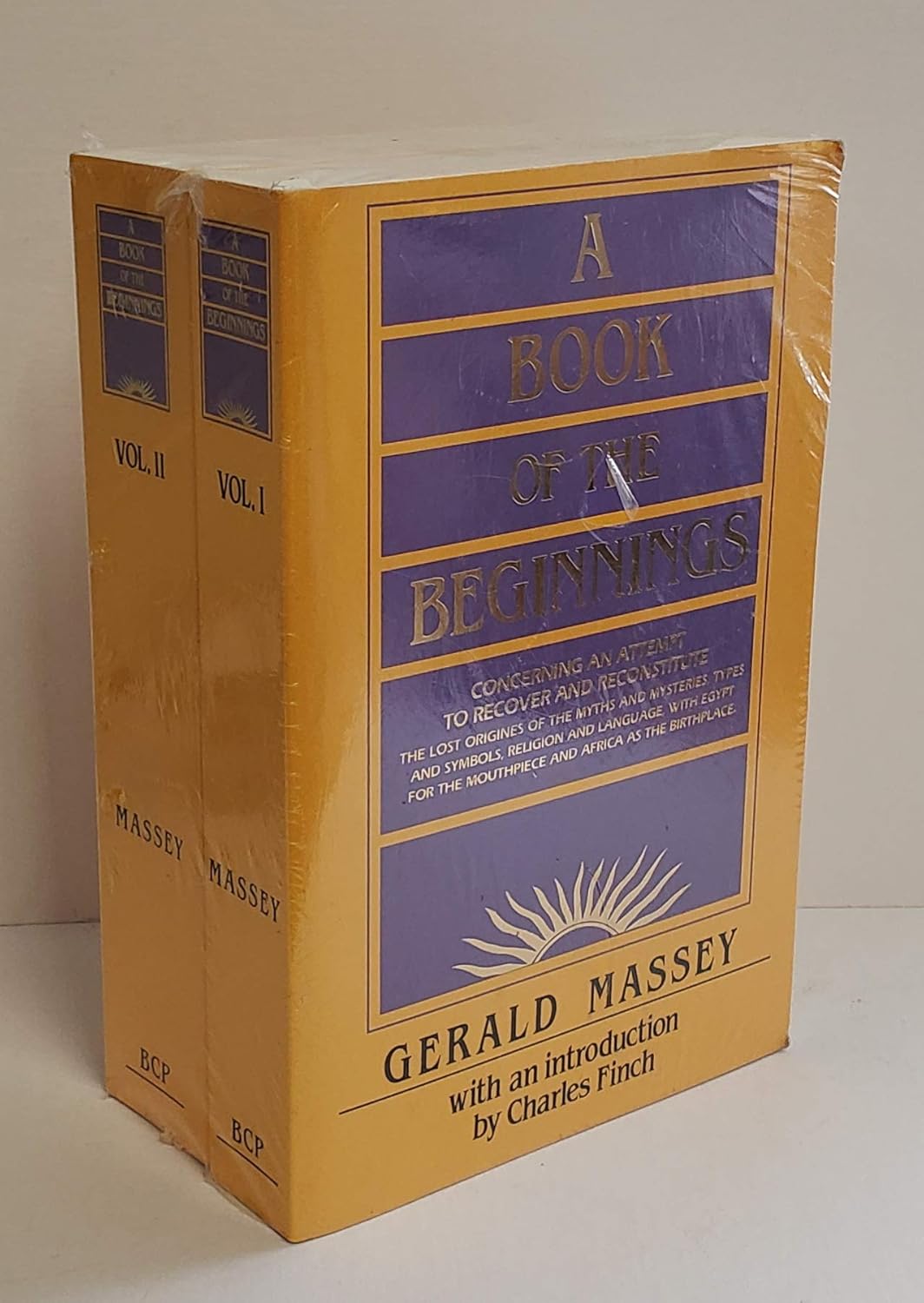
The narrative of the Tower of Babel, as presented in the biblical text of Genesis, has long been subjected to conventional theological interpretations that often overlook its profound Egyptian origins and astronomical symbolism. Gerald Massey, in his magnum opus Ancient Egypt: The Light of the World, meticulously traces the symbolic and mythological elements of this narrative to their Egyptian antecedents, thereby providing a framework for a more nuanced understanding of the text. The present commentary aims to re-envision the Tower of Babel narrative through the lens of Massey’s scholarly analysis, drawing upon the rich corpus of knowledge base documents to elucidate its Egyptian origins and comparative mythological significance.
The Tower of Babel as a Typology of the Celestial Mount
The biblical description of the Tower of Babel as a structure whose top may reach to heaven (Genesis 11:4) finds its parallel in the Egyptian conception of the celestial mount. Massey argues that the tower is a typological representation of the celestial summit, a motif that is pervasive in Egyptian mythology and cosmology. The Egyptian Book of the Dead, for instance, describes the celestial mount as a smooth and sheer rock that no mortal may scale, symbolizing the inaccessible nature of the divine realm (Source: AncientEgyptVol1). This typology is further elaborated in the Pyramid Texts, where the pharaoh is depicted as ascending the celestial mount to join the gods in the afterlife.
The correspondence between the Tower of Babel and the Egyptian celestial mount is evident in the architectural features of the ziggurats, particularly the Etemenanki in Babylon. As noted by the source article, the Etemenanki was dedicated to the god Marduk and was referred to as the ‘temple of the foundation of heaven and earth.’ This description aligns with the Egyptian conception of the celestial mount as the axis mundi, the cosmic center that connects the earthly and heavenly realms. The use of brick and bitumen mortar in the construction of the ziggurat further underscores its symbolic significance, as these materials were also employed in the construction of Egyptian temples and tombs, symbolizing the eternal and indestructible nature of the divine realm (Source: TheNaturalGenesisVol.2).
The Linguistic Dispersion: An Astronomical Typology
The biblical account of the linguistic dispersion at Babel is often interpreted as a historical event, but Massey’s analysis reveals its deeper astronomical and mythological significance. The confusion of languages is a typological representation of the celestial phenomena associated with the precession of the equinoxes, a cycle that was closely observed and recorded by the ancient Egyptians. The precession of the equinoxes, which occurs over a period of approximately 25,800 years, results in the gradual shift of the celestial poles and the apparent movement of the stars. This astronomical cycle was symbolized in Egyptian mythology as the dispersion of the gods, who were identified with the stars and constellations (Source: AncientEgyptVol2).
The linguistic dispersion at Babel can thus be understood as a symbolic representation of the celestial dispersion of the gods, a motif that is also present in the Egyptian Book of the Dead. In chapter 17 of the Book of the Dead, the deceased is instructed to ‘speak the words of power’ that will enable them to navigate the celestial realm and reunite with the gods. This passage underscores the intimate connection between language, cosmology, and eschatology in Egyptian thought, a connection that is also evident in the biblical narrative of Babel.
The Unity of Humanity: An Egyptian Perspective
The biblical narrative of Babel also emphasizes the fundamental unity of humanity, a theme that resonates with the Egyptian conception of the divine and the human. Massey argues that the Egyptian mythos of creation and the unity of the divine realm is reflected in the biblical account of the dispersion at Babel. The Egyptian gods were often depicted as a unified family, with each deity embodying a distinct aspect of the divine. This unity was symbolized in the Egyptian cosmology as the ‘Great Ennead,’ a group of nine gods who represented the fundamental principles of creation (Source: AncientEgyptVol1).
The biblical narrative of Babel, with its emphasis on the unity of humanity despite the dispersion of languages, can be understood as a typological representation of the Egyptian mythos of creation. The dispersion at Babel is not a punishment but a necessary step in the divine plan, as it allows for the diversification and evolution of human cultures and civilizations. This perspective is echoed in the writings of Cheikh Anta Diop, who argues that the cultural unity of Black Africa is rooted in the shared Egyptian origins of its diverse peoples (Source: CheikhAntaDiop-CulturalUnityofBlackAfrica).
Conclusion: The Tower of Babel as a Symbol of Cosmic Unity
The Tower of Babel narrative, when viewed through the lens of Egyptian mythology and cosmology, emerges as a profound symbol of cosmic unity and the interconnectedness of human cultures. Massey’s analysis reveals the deep symbolic and astronomical significance of the tower, the linguistic dispersion, and the unity of humanity, all of which find their origins in the rich tapestry of Egyptian thought. By tracing the symbolic elements of the Babel narrative to their Egyptian antecedents, we gain a deeper understanding of the text and its enduring relevance to the human experience.
Sources
- AncientEgyptVol1
- TheNaturalGenesisVol.2
- CheikhAntaDiop-CulturalUnityofBlackAfrica
MythWisdom Blog Post
📚 Recommended Resources

As an Amazon Associate, we earn from qualifying purchases.
@media (max-width: 768px) {
.tbe-affiliate-section {
padding: 25px 15px !important;
}
.tbe-affiliate-section > div:nth-child(2) {
grid-template-columns: 1fr !important;
gap: 20px !important;
}
.tbe-product-card {
width: 100% !important;
}
}



Leave a Reply