


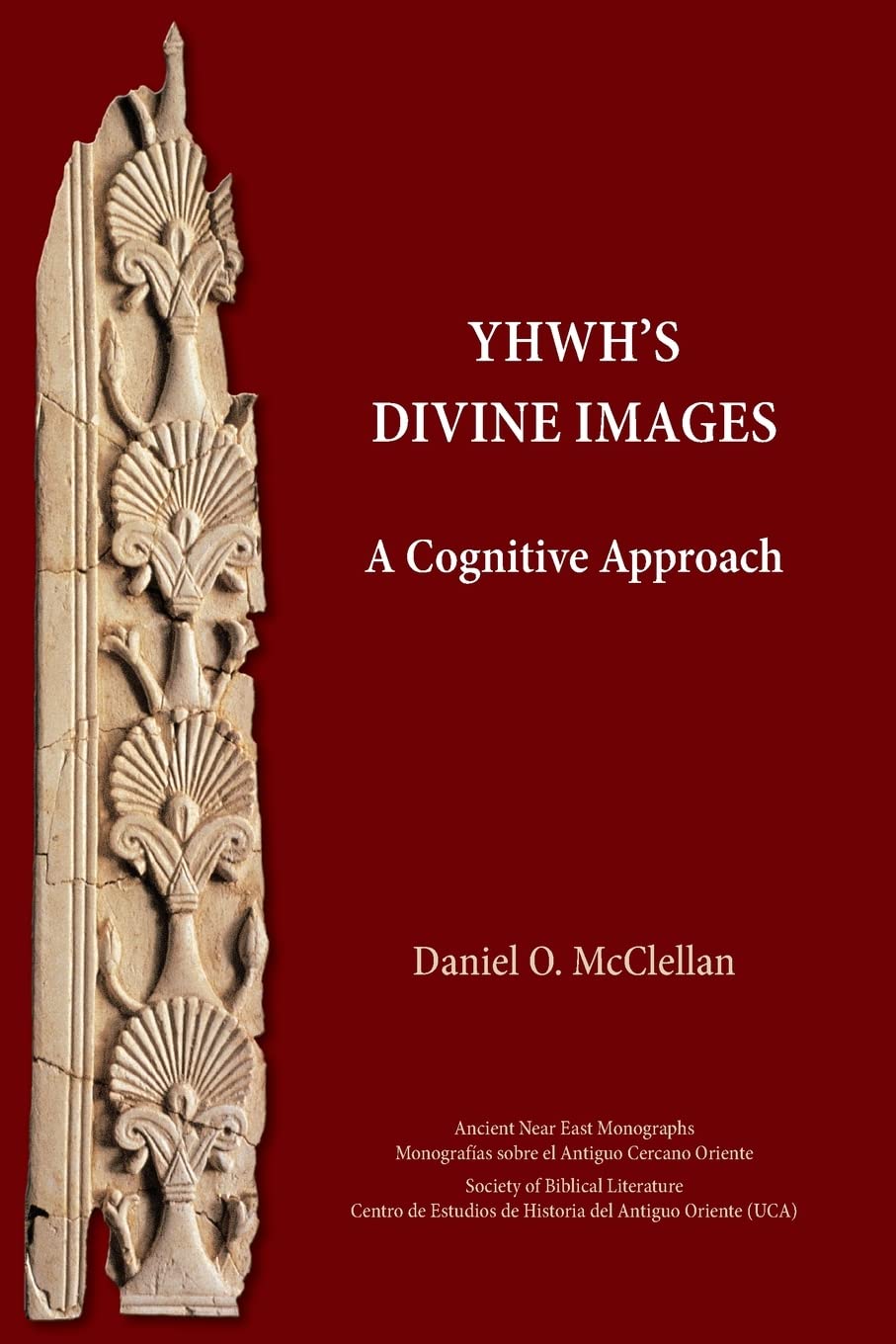
Description
The Paradox of Divine Images
In YHWH’s Divine Images: A Cognitive Approach, Daniel O. McClellan tackles a perplexing paradox in ancient religious thought: how divine images could simultaneously embody and yet remain distinct from the deities they represented. This tension appears vividly in texts across ancient Southwest Asia, where statues or icons are treated as both inert objects and active vessels of divine presence. McClellan, leveraging cognitive linguistics and the cognitive science of religion, proposes a nuanced theoretical framework that reconciles this duality by examining how human cognition intuitively attributes agency to material forms while preserving the gods’ transcendent essence.
Distributed Agency Framework
At the core of McClellan’s model is the concept of distributed agency, where divine power is not confined to a single locus but manifests through culturally designated media—be they idols, altars, or sacred spaces. Drawing on insights from cognitive theorists like Pascal Boyer and Justin Barrett, he argues that ancient minds employed intuitive ontologies: images served as extensions of the divine self, enabling interaction without collapsing the deity into mere materiality. This framework illuminates practices in Mesopotamian, Egyptian, and Levantine traditions, where rituals “activated” statues, temporarily embodying gods while upholding their otherworldly autonomy.
Application to the Hebrew Bible
McClellan then pivots to the Hebrew Bible, applying his model to reveal how Israel’s God, YHWH, operated under similar cognitive dynamics despite aniconic ideals. Passages like Exodus 25’s instructions for the Ark or Ezekiel’s visions of divine glory (kabod) depict material artifacts as conduits for YHWH’s presence, not idols per se, but functional mediators of agency. Iconoclastic rhetoric, he contends, targeted rival images rather than rejecting embodiment outright; YHWH’s “manifestations” through cherubim, pillars, or the Temple paralleled regional norms, demystifying biblical prohibitions as strategic differentiation.
Implications for Biblical Aniconism
Ultimately, McClellan’s work bridges archaeology, linguistics, and neuroscience to reframe biblical aniconism as a sophisticated cognitive strategy, not absolute rejection of images. By showing YHWH’s presence channeled through purpose-built media, the book challenges traditional views of Israelite uniqueness, positioning ancient Judaism within a shared Southwest Asian paradigm of divine-human interface. This approach not only resolves textual ambiguities but invites fresh interdisciplinary readings of scripture’s material theology.


Reviews
There are no reviews yet.